Students learn how to place leads to read the electrical signals in the brain. One student places the leads while another checks that signals are coming through.
Change your career online in one year.
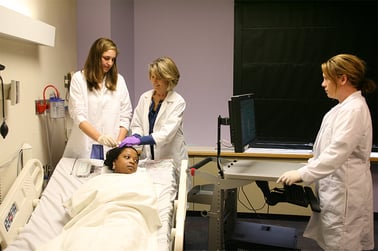
Students learn how to place leads to read the electrical signals in the brain. One student places the leads while another checks that signals are coming through.
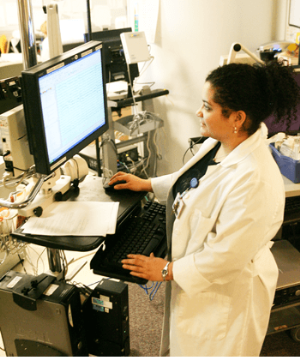
A neurodiagnostic technologist performs procedures including electroencephalograms (EEG), evoked potentials (EP), polysomnograms (PSG or sleep studies), nerve conduction studies (NCS), and long term monitoring. All of these procedures can help in the diagnosis and treatment of neurological problems ranging from common headaches, head and spinal injuries as sometimes seen in athletes, seizures, sleep disorders, strokes and unexplained comas.
Neurodiagnostic technologists work in hospitals, clinics and doctors offices. More experienced technologists may work in the operating room. With the continued rapid advances in technology some technologists also find challenging positions in the world of research, as well as within the medical instrument industry.
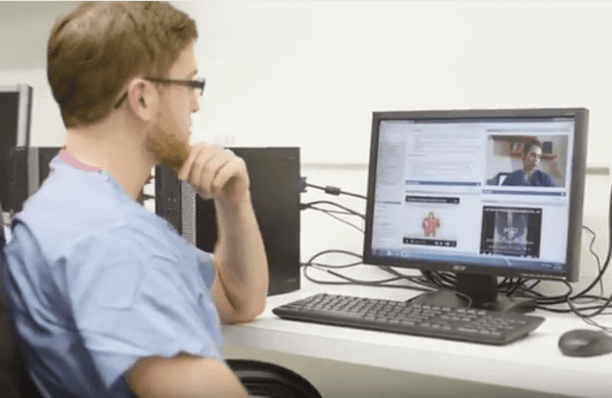
On average, 100% of our program completers from 2020 - 2022 reported employment in their field! The projected growth in the industry is higher than average, with over 12,000 job openings anticipated in the next decade (O*NET online).

NDT PROGRAM
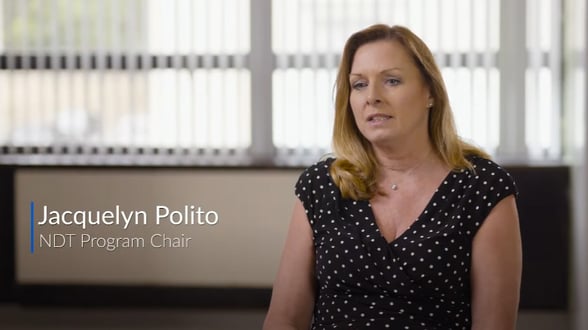
Hear from the chairperson of the NDT program what the program is like and what a day in the life looks like for a neurodiagnostic technologist.
NDT ALUMNI AND NEWS

This distinction is awarded to those who have made numerous contributions to both the society and the profession on a local and national level.
Dr. Muthinji's research over his career contributed to present-day practices in home video telemetry and sleep studies.
ALUMNI STORIES

"With a combination of high-quality theoretical classes and hands-on clinical experience, the Neurodiagnostic program at Labouré allowed me to learn and grow at such a level that I began working in the field less than a year into training and became the Chief Technologist at one of Boston's finest hospitals just 4 years after graduation.
I am very grateful for my experience at Labouré because it provided me the opportunity to break into an exciting field and become a valued member of a health care team."
Meet the Faculty

NDT Chairperson and Associate Professor
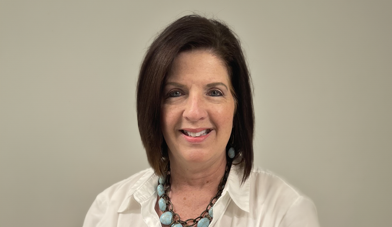
Associate Professor & Clinical Site Coordinator
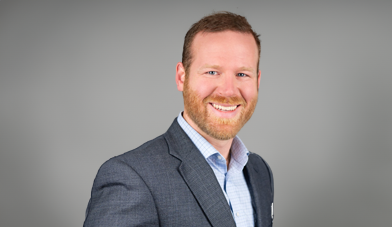
Adjunct Faculty


© 2023 Labouré College of Healthcare. All Rights Reserved.